
Why Whole-Home Remodels Feel So Overwhelming
You've been living with outdated flooring, a cramped kitchen, and bathrooms that haven't been touched since the 1990s. At some point, you realize that tackling one room at a time just doesn't make sense anymore — it's time for a whole-home remodel. But the moment you start thinking about everything that needs to happen, the project can feel impossibly complex.
Here's the good news: homeowners in Fort Lauderdale take on whole-home remodels every day, and the ones who succeed all have something in common. They plan before they pick up a hammer. In this guide, we'll walk you through a practical approach to planning a full-home renovation so you can avoid the most common pitfalls and actually enjoy the transformation.
Step 1: Define Your Goals Before You Set a Budget
Most people jump straight to budget numbers, but that's actually the second step. First, you need to get crystal clear on why you're remodeling and what you want the finished home to look and feel like.
Ask yourself these questions:
- Are you remodeling to increase resale value, or are you planning to stay long-term?
- Which rooms are the highest priority?
- Are there structural issues — like water damage or foundation concerns — that need to be addressed first?
- Do you need to update electrical, plumbing, or HVAC systems?
- Are there specific lifestyle changes driving the remodel, such as aging in place or accommodating a growing family?
Writing down your goals gives you and your contractor a shared roadmap. It also helps you make tough decisions later when you inevitably have to prioritize one upgrade over another.
Step 2: Set a Realistic Budget (With a Contingency)
Once your goals are defined, it's time to talk numbers. A whole-home remodel in the Fort Lauderdale area can vary dramatically in cost depending on the size of your home, the scope of work, and the materials you choose. A modest refresh might start around $50,000, while a comprehensive gut renovation of a larger home can easily exceed $200,000.
The most important rule of budgeting for a remodel is this: always include a contingency of 15 to 20 percent. No matter how well you plan, surprises happen — especially in older South Florida homes where hidden moisture damage, outdated wiring, or unpermitted previous work can lurk behind walls.
Tips for Staying on Budget
- Get a detailed written estimate before work begins, not just a ballpark figure.
- Separate your must-haves from your nice-to-haves so you know where to cut if needed.
- Avoid making changes mid-project unless absolutely necessary — change orders are the number one budget killer.
- Choose materials that balance quality and cost. Your contractor can help you find options that look great without breaking the bank.
Step 3: Understand Fort Lauderdale Permitting Requirements
One area where many homeowners get tripped up is permitting. In Fort Lauderdale, most remodeling projects that involve structural changes, electrical work, plumbing modifications, or changes to the building's footprint will require permits from the city. Skipping permits might seem like a way to save time and money, but it can create serious problems down the road — including fines, failed inspections, and complications when you try to sell your home.
A reputable local contractor will handle the permitting process for you and ensure that all work is inspected and up to code. This is one of the biggest advantages of working with a company that knows the Fort Lauderdale metro area well. Local experience means fewer delays and fewer surprises at the inspection stage.
Step 4: Create a Phased Schedule
A whole-home remodel doesn't happen all at once. It unfolds in phases, and understanding the typical sequence helps you plan your daily life around the construction. Here's a general order of operations:
- Demolition and structural work: Removing old materials, addressing foundation or framing issues, and opening up walls.
- Rough-in work: Updating electrical wiring, plumbing lines, and HVAC ductwork before walls are closed up.
- Insulation and drywall: Closing up walls and ceilings once rough-in inspections pass.
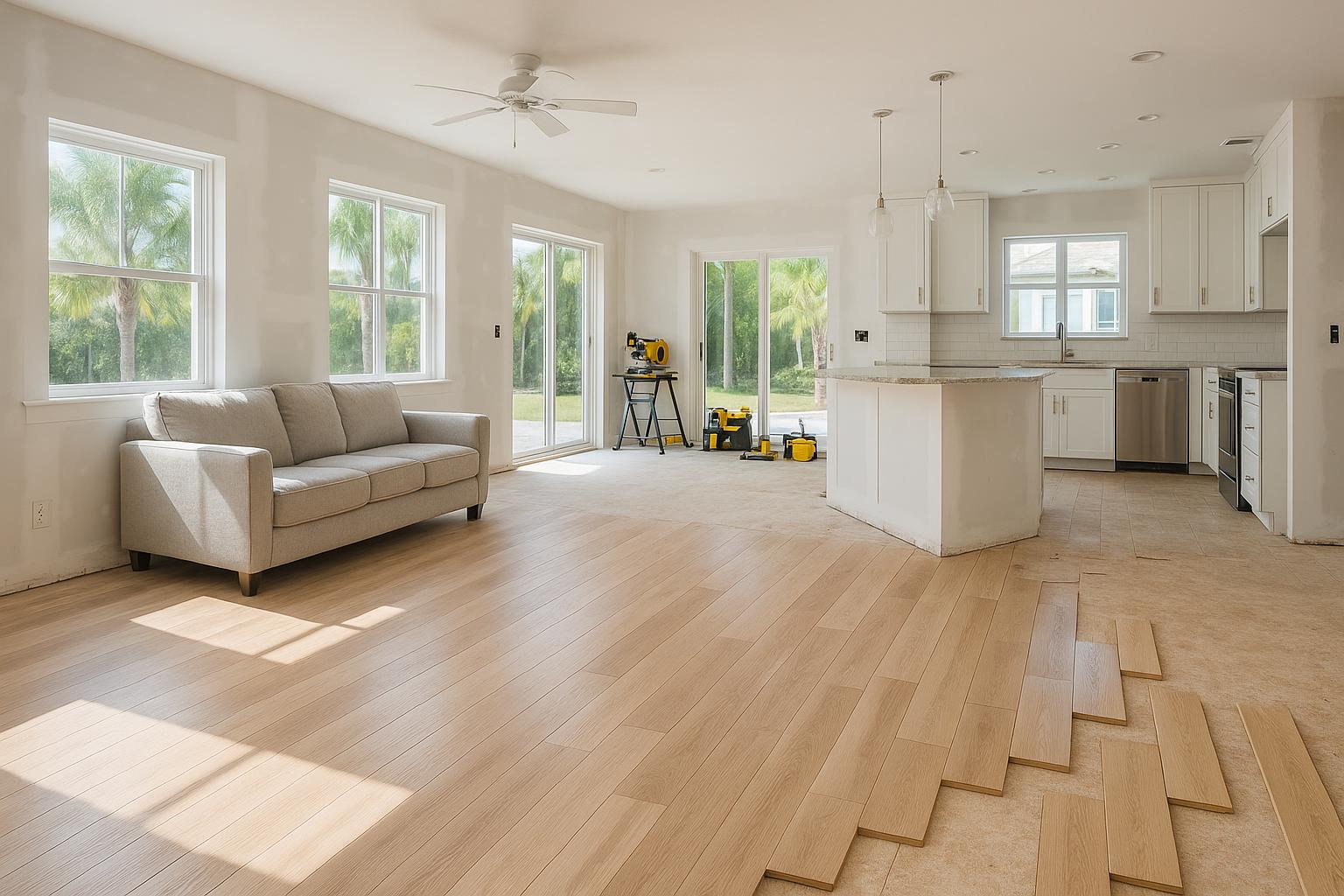
- Finish work: Installing flooring, cabinetry, countertops, fixtures, trim, and paint.
- Final inspections and punch list: Addressing any remaining details and getting final sign-off from inspectors.
Each phase depends on the one before it, which is why dependable scheduling matters so much. Delays in one area cascade through the entire project. When you're interviewing contractors, ask specifically how they manage scheduling and communicate timeline updates.
Step 5: Plan Where You'll Live During Construction
This is the question nobody wants to think about, but it's essential. Can you live in your home during a whole-home remodel? Sometimes yes, sometimes no — it depends on the scope of work.
If the remodel is phased room by room, you may be able to stay in the home by moving between finished and unfinished areas. But if the project involves major plumbing or electrical shutdowns, extensive demolition, or work that affects the kitchen and all bathrooms simultaneously, you'll likely need to make alternative arrangements for at least part of the project.
Fort Lauderdale has plenty of short-term rental options, and some homeowners stay with family nearby. Whatever you decide, factor housing costs into your overall budget so there are no surprises.
Step 6: Choose the Right Contractor
The contractor you choose will make or break your remodeling experience. Here's what to look for:
- Local experience: A contractor who works regularly in the Fort Lauderdale area will understand local building codes, common construction challenges in South Florida homes, and how to navigate the permitting process efficiently.
- Clear communication: You should feel comfortable asking questions and confident that you'll get honest, timely answers.
- Detailed proposals: Vague estimates are a red flag. Look for itemized proposals that spell out the scope of work, materials, timeline, and payment schedule.
- References and reviews: Talk to past clients and read online reviews. Consistent praise for reliability and quality is a strong indicator.
- Proper licensing and insurance: Never hire an unlicensed contractor for a major remodel. Verify their credentials before signing anything.
Step 7: Communicate Throughout the Project
Even with the best plan in place, a whole-home remodel requires ongoing communication between you and your contractor. Establish a regular check-in schedule — whether that's a weekly walkthrough or a daily update via text or email. The goal is to catch small issues before they become big problems and to make sure the finished result matches your vision.
Don't be afraid to ask questions, and don't assume anything. If something looks different from what you expected, speak up early. A good contractor will welcome your input and work with you to find solutions.
Ready to Start Planning?
A whole-home remodel is one of the biggest investments you'll make in your property, and it deserves careful, thoughtful planning. At Caliber Foundation Contractors, we help homeowners throughout Fort Lauderdale navigate every stage of the remodeling process — from initial consultation and inspection through final walkthrough. If you're considering a major renovation and want a partner who values clear communication and dependable scheduling, we'd love to talk. Reach out to schedule a remodeling consultation and take the first step toward the home you've been imagining.